


Why This Video Matters
Dr. Charles W. Reinertsen reveals how poor oral health leads to heart disease. Gum bacteria enter your bloodstream, inflaming arteries and doubling heart attack risk. Understanding this connection between oral health and heart disease has saved thousands of lives.
Dentists Reveal: Your Gums Are Triggering Heart Attacks (50% of Cases)
"Bad breath is just a cosmetic issue."
Fact~90% of bad breath comes from gum disease, which is linked to heart disease and stroke. See your dentist if bad breath persists, it may be an early warning sign of gum disease.
"Dental checkups don't matter for heart procedures."
FactCardiologists often require a Dental Clearance because mouth infections raise surgical risks. Ask your dentist for clearance before any major heart treatment.
"A pretty smile means a healthy heart."
FactYou don't need a "Hollywood smile," but you do need a healthy mouth for a healthy heart. Book a dental checkup and gum screening to lower your heart risk.
"Bacteria in my mouth doesn't affect the rest of my body."
FactOral bacteria travel through the bloodstream to the heart, brain, and lungs. Get your gums evaluated by a dentist to find out if you have hidden gum disease and treat it early.

Warning: Poor oral health doubles your heart disease risk. Harvard Medical School confirms that gum disease bacteria enter the bloodstream, causing arterial inflammation that leads to heart attacks and strokes. The American Heart Association found 50% of cardiovascular deaths link to oral infections.
The connection between oral health and heart disease is undeniable. NIH research shows treating gum disease reduces inflammatory markers by 40%, directly lowering cardiovascular risk. Both the ADA and American College of Cardiology now recommend dental screening as part of heart disease prevention.
Improving oral health is one of the most effective ways to prevent heart disease.


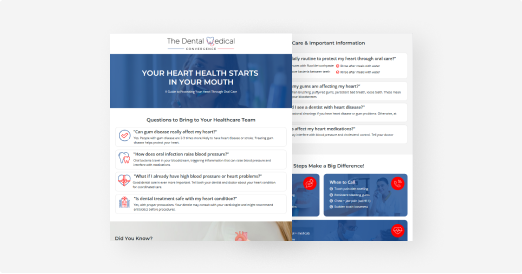
A guide to protecting your heart through oral care.
Download PDF
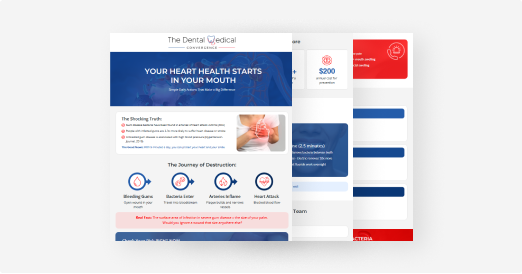
Simple daily actions that make a big difference.
Download PDF

If you have both cardiac symptoms and poor oral health, you're at extreme risk. The connection between oral health and heart disease means treating one requires addressing both. Act today.
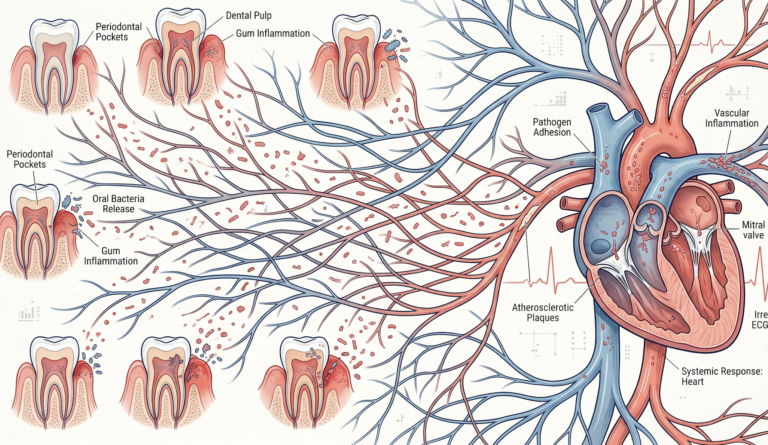
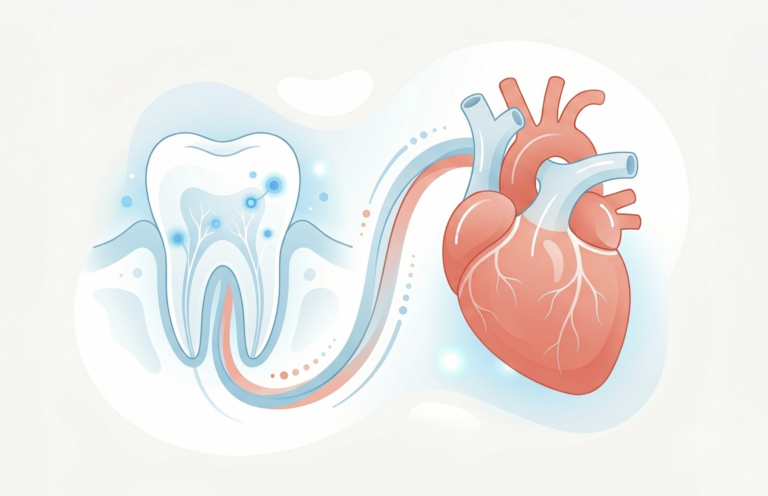
Bacteria from gum infections enter your bloodstream, triggering inflammation in arteries. This oral health problem directly contributes to heart disease, doubling your risk of heart attack or stroke.
Medical and dental fields traditionally operated separately. Only recently has research proven the oral health and heart disease connection, changing treatment protocols.
Hidden oral infections can increase life-threatening complications during surgery. That's why many cardiologists require dental clearance before operations such as valve replacement or bypass.
We've put together a collection of articles that explain how everyday oral care habits and specific dental conditions affect heart health:
Yes. Studies show treating gum disease improves cardiovascular health within months. Better oral health reduces heart disease markers by up to 40%.
Yes. Gum disease is often painless, which is why it's called a "silent infection." You may not feel it, but the bacteria can still spread into the bloodstream and affect your heart.
Yes. Research confirms that certain bacteria found in gum disease are causative for cardiovascular disease, not just associated with it. This makes treating gum infections critical for protecting your heart.
The Book That’s Saving Lives
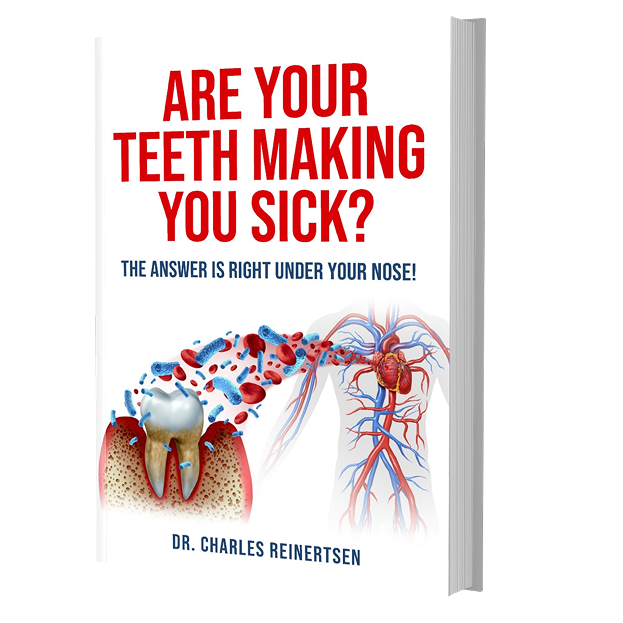
Dr. Charles Reinertsen's book explores the hidden links between oral health and systemic conditions like heart disease. Get your copy today to dive deeper.

Your donation spreads life-saving awareness about oral health and heart disease. For the cost of coffee, you help prevent heart attacks by teaching families this critical connection. Every dollar educates 10 people about how improving oral health prevents heart disease.
400,000 Americans will die this year from heart disease linked to poor oral health. Together, we can cut this number in half through education and prevention.
Every effort supports dental health education through The Dental Medical Convergence, a 501(c)(3) nonprofit.