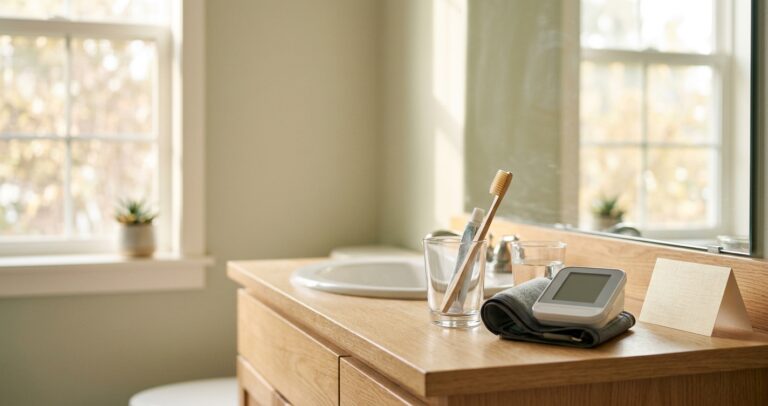

During a night of teeth grinding, a single episode paired with a body movement can push your systolic blood pressure up about 30 points, with the diastolic climbing near 19, in a matter of seconds. You might wake with a sore jaw or a dull morning headache while your numbers keep creeping up, and the two can share one hidden driver.
So how do high blood pressure and jaw clenching connect with one another? Stress fuels both, since night grinding can spike your pressure overnight and even flag sleep apnea. This article will show you how your jaw is connected to oral health and heart disease, much like tooth pain can push your blood pressure up.
It’s time to learn when jaw pain becomes urgent and what to do when it does.
Can Jaw Clenching Raise Your Blood Pressure?
Jaw clenching does not appear to cause long-term high blood pressure on its own, yet the two can be connected. Nearly half of adults in the United States live with high blood pressure. Grinding episodes during sleep bring short, sharp pressure surges, and the stress that tightens your jaw can lift your pressure during the day.
High blood pressure gives no warning you can feel, much like a pain-free dental problem, so your jaw becomes a rare visible clue. The link shows up in three distinct ways:
- Blame the stress: Tension drives the clenching and the higher pressure at once.
- Watch the night: Grinding sets off brief pressure surges through the night.
- Spot the signal: Clenching can flag sleep apnea that raises pressure on its own.
Your mouth can shape your blood pressure in more than one way. A tooth infection can also lead to high blood pressure in some cases. Your jaw is simply signaling a shared source worth tracing upstream, a clear example of the oral-systemic connection between your mouth and body.
How Does Stress Link Jaw Clenching and Blood Pressure?
Stress is the quiet root that ties the two together. When life keeps your body on alert, the same signals that clench your jaw also tighten your blood vessels, so stress and blood pressure climb alongside the grinding rather than one causing the other. Throughout the day, stress can tighten your jaw and blood vessels. At night, it can trigger grinding surges that spike your pressure while you sleep.
The Fight-or-Flight Link
Your body’s fight-or-flight response is a helpful safety reflex, built to gear you up the instant it senses a threat. Everyday pressure such as traffic and deadlines can flip that same reflex on. Stress hormones raise your heart rate and tighten your muscles, then narrow your blood vessels and push your pressure up.
The same surge tightens the jaw, so you clench or grind without noticing.
Day after day, that steady clenching keeps your jaw and your blood pressure numbers under strain. The encouraging part is the shared root cause. Easing the stress response helps you relieve clenching and pressure together. Simple habits such as paced breathing, movement, and steadier sleep can calm the same system that drives both, which is why addressing the source beats chasing each symptom.
The easiest way for most people to relax their jaw is “lips together, teeth apart.” It’s a good reminder to tell yourself.
The Nighttime Grinding Surge
Sleep studies captured the surge as it happened. Each jaw-clenching episode follows a brief brain arousal and a rise in blood pressure, and the episodes with body movement carry the sharpest spike.
Sleep bruxism, the clinical term for grinding during sleep, can show up as a rapid jaw tremor of six to 10 movements per second, a pattern researchers are studying as a marker of grinding.
These jumps last only a few seconds but can repeat many times in one night. A heavy night of teeth grinding quietly taxes your heart while you feel nothing. The jaw and the numbers are two readings from one gauge. Calm the stress that drives them, and both begin to settle, which points naturally to a bigger question about your sleep.
Is Your Jaw Clenching a Sign of Sleep Apnea?
Night grinding or jaw clenching frequently is found with obstructive sleep apnea, where the airway narrows repeatedly during sleep, and about half of people with sleep apnea also have high blood pressure. Each pause jolts the body and spikes your pressure, so untreated sleep apnea becomes one of the most common and most manageable drivers of high readings.
A few signs suggest your grinding points to the airway:
- Check the teeth: Flattened or worn surfaces show heavy nighttime grinding.
- Notice the mornings: A dull headache or sore jaw greets you on waking.
- Listen at night: Loud snoring or breathing pauses hint at apnea.
- Track the days: Daytime sleepiness lingers despite a full night in bed.
A dentist can fit a mandibular advancement device, a small appliance that holds the lower jaw slightly forward to keep the airway open. Few people hear about this option when apnea is behind their high blood pressure. It does not replace a medical evaluation. But by easing the apnea, it offers you a practical path to steadier sleep, a calmer blood pressure, and relief from jaw clenching. For people who can’t or won’t wear a Continuous Positive Airway Pressure (CPAP) device, a mandibular advancement device (MAD) may be an option.
Frequently Asked Questions
Here are quick answers to the questions readers ask most about grinding, stress, and blood pressure. Each one keeps to the essentials so that you can act with confidence.
Can Jaw Clenching Cause High Blood Pressure?
Jaw clenching does not appear to cause lasting high blood pressure on its own. Stress can tighten your jaw and raise your pressure, and nighttime grinding can trigger brief pressure surges while you sleep. In some people, clenching is a sign of sleep apnea, which can raise pressure on its own. So clenching is better seen as a clue worth investigating than a direct cause you can ignore.
Does Teeth Grinding Raise Blood Pressure at Night?
Teeth grinding raises your blood pressure in short bursts at night. Each grinding episode is followed by a brief brain arousal and a sharp, short-lived rise in pressure, with the largest jumps during episodes that include body movement. The spikes last only seconds but recur many times a night. A single restless night is not a concern, but repeated surges over months of heavy grinding add real strain to your heart.
Can High Blood Pressure Cause Jaw Clenching or Jaw Tension?
High blood pressure does not directly cause jaw clenching, but the two are often linked. Chronic stress triggers the same fight-or-flight response that raises your pressure and tightens your jaw muscles, so tension and high readings tend to appear together. Some blood pressure medications also cause dry mouth, which your physician might not mention. With less saliva to neutralize acids, cavities and gum disease can worsen, letting more bacteria reach your bloodstream and making your pressure harder to control. Read a tight jaw and high numbers as one signal, then find and treat the source rather than chase the symptom.
Does Stress Cause Both Jaw Clenching and High Blood Pressure?
Stress is the clearest shared root. When your body stays on alert, stress hormones raise your heart rate, narrow your blood vessels, and raise your pressure, while the same tension clenches the jaw and grinds the teeth. That is why calming the stress response tends to ease both at once. Paced breathing, regular movement, and steadier sleep all quiet the same system, which is why stress and blood pressure are worth addressing together rather than one at a time.
Can a Night Guard Lower Blood Pressure?
A night guard cushions your teeth and can ease the muscle soreness from grinding, but it does not open the airway or calm the stress response. That leaves your blood pressure untouched. Think of it as protection for your teeth while you address the real drivers. Pairing a guard with stress care, better sleep, and a sleep apnea check is where the pressure benefit actually comes from.
Can Blood Pressure Medication Cause Jaw Clenching?
Blood pressure medications are not a common cause of clenching. Certain other drugs, including some antidepressants and stimulants, are more often linked to grinding, and even then, it is uncommon. Blood pressure pills are more often associated with dry mouth, which raises the risk of cavities and gum trouble rather than clenching. If your grinding started soon after any new prescription, mention it to your physician, who can weigh whether the timing is more than a coincidence.
How Do I Stop Clenching My Jaw at Night?
Start with the source rather than the symptom. Since stress drives most grinding, daily habits that calm your system are most helpful: paced breathing, regular movement, and a steadier wind-down before bed. A dentist can fit a night guard to protect your teeth and check whether sleep apnea is a factor. Cutting late caffeine and alcohol often eases grinding. If the clenching stems from an airway problem, addressing the sleep apnea tends to quiet the jaw more than any single device.
When Is Jaw Pain a Sign of a Heart Problem Instead of Clenching?
The pattern gives it away. Clenching pain stays local, feels worse in the morning, and changes as you use your jaw. Cardiac jaw pain is dull pressure that spreads, does not shift when you chew, and may accompany chest pressure, shortness of breath, cold sweat, or nausea. Jaw pain with any of those warning signs is a medical emergency, not a dental one. Do not wait to see whether it passes. Call 911. If you want to understand the difference, read our guide on which teeth hurt during a heart attack, but never delay emergency care to do so.
Can Treating Sleep Apnea Lower Blood Pressure?
Yes, treating sleep apnea often lowers blood pressure. Untreated apnea spikes your pressure night after night, so addressing it can bring your numbers down, with the biggest gains for people whose pressure is hardest to control. Steady, well-fitted therapy, whether a medical device or a dental appliance, gives the airway and the pressure a real chance to settle.
How Do I Know If I Grind My Teeth at Night?
Most people who grind in their sleep never feel it happen, so the clues show up in the morning and in the mirror. Watch for a sore or tired jaw when you wake, a dull morning headache, teeth that look flattened or worn, or new tooth sensitivity. A sleep partner may hear the grinding at night. A dentist can confirm it by spotting the wear patterns during an exam, which is often the first time nighttime grinding gets named.
The Bottom Line
The jaw is often the first place stress shows up, and the same tension that grinds your teeth at night can be nudging your blood pressure higher while you sleep. That is why the fix is rarely the jaw alone. When you trace high blood pressure and jaw clenching back to their shared roots, stress and sleep, you can calm both at once.
Keep these takeaways in mind:
- Stress is the shared root. The same fight-or-flight response tightens your jaw and raises your pressure.
- Night grinding spikes your numbers. Brief surges repeat through the night, even when you feel nothing.
- Clenching can flag sleep apnea. Addressing the airway is one of the most effective ways to bring pressure down.
- A dental night guard protects teeth, not pressure. The real levers are stress, sleep, and an apnea check.
- Connect your dentist with your physician whenever possible. The mouth-body connection and the diagnostic numbers belong in one conversation.
Address the Source of Your High Blood Pressure
Share this article with someone who grinds their teeth and watches their blood pressure. The link between the mouth and the numbers could change how they care for their health.
If you or someone you know has improved or eliminated a medical issue following dental care and a healthier mouth, please share your story at Stories@TheDentalMedicalConvergence.org. You could help someone else who shares the same experience. For a deeper look, read Dr. Chuck’s book, Are Your Teeth Making You Sick? Together, we can help more people find the answer that is often right under their noses.
Medical Disclaimer: This content is for informational and educational purposes only and does not constitute medical or dental advice, diagnosis, or treatment. Home remedies are not substitutes for professional dental care. Always consult your dentist and physician before making changes to your health routine. If you experience severe pain, swelling, fever, or signs of infection, seek immediate professional care.