
Medical Disclaimer: This content is for informational and educational purposes only and does not constitute medical or dental advice, diagnosis, or treatment. Home remedies are not substitutes for professional dental care. Tooth pain during pregnancy may indicate a serious condition that requires immediate professional attention. Always consult your dentist and OB/GYN before using any home remedies, especially during pregnancy. If you experience severe pain, swelling, fever, or signs of infection, consult a healthcare professional immediately.
Are you worried about your teeth falling out during pregnancy? Imagine brushing your teeth one morning and noticing one feels loose — or falls out. Take a deep breath. You’re not alone, and this condition can be treated.
If your teeth are feeling loose during pregnancy, you’re among the 75% of women facing gum problems due to hormonal changes. The good news? Understanding what’s happening in your body empowers you to protect your smile and your baby’s health.
Discover why your teeth may feel loose, how pregnancy changes your oral health, and what specific steps you can take to prevent common dental conditions.
How Pregnancy Changes Your Oral Health
Hormonal changes during pregnancy are the main reason for a shift in your oral and overall health. The rise of estrogen and progesterone has been significantly linked to changes in stomatognathic function — the anatomical and functional system of your teeth, jaws, chewing muscles, and jaw joints.
Let’s look at what’s happening beneath the surface and impacting oral health while pregnant:
Hormonal Fluctuations During Pregnancy
During pregnancy, hormonal changes can fuel the growth of bacteria and plaque that cause gum infections. The estrogen surge in your body slows down the ability of your gum cells to repair themselves, allowing germs to enter easily.
Then, there is progesterone, which increases blood flow and makes the gums swell, making them more susceptible to bleeding. If caught early, you can prevent pregnancy gingivitis from progressing to more serious gum disease.
Oral Microbiome Changes During Pregnancy
The oral microbiome is the complex community of microorganisms that live in your mouth. The role of these bacterial species is similar to that of the gut microbiome. They protect your mouth against pathogens. When you’re pregnant, hormones and immune responses cause a shift in this important oral microbiome. This imbalance affects your entire body through what’s known as the oral-systemic health connection — a relationship supported by extensive research.
Consult your doctor to determine if probiotics may be right for you to support the beneficial bacteria in your mouth. These supplements, along with other oral care methods, can help your overall body wellness.
Acid Erosion and Its Impact on Your Mouth When Pregnant
If you’re experiencing morning sickness, you’re likely not alone. Research suggests that up to 80% of pregnant women face this challenge. The pH of your saliva decreases along with increased gastric acid secretion and reflux. These combined factors put your teeth at risk of enamel erosion. You can protect your teeth by curbing unhealthy cravings and rinsing your mouth after vomiting.
Pregnancy hormones can fuel bacteria that cause common dental issues. Understanding how to care for your mouth and recognizing the symptoms to look out for is a proactive way to protect yourself and your baby. If you relate to any of these symptoms, discuss them with a healthcare provider and receive a formal diagnosis.
5 Dental Problems to Watch For During Pregnancy
Dental problems often develop without pain during pregnancy. When you’re pregnant, there is a lot on your mind, but it’s crucial to notice oral symptoms that could develop into more serious illnesses.
Here are some common dental issues and signs to look out for. If you’ve experienced any of these symptoms while pregnant, schedule a dental checkup for treatment and restoration.
| Dental Issue | Symptoms | Treatment or Prevention |
| Gingivitis | Gum swelling, bleeding when brushing |
|
| Periodontitis (Advanced Gum Disease) | Loose or teeth falling out, infected gums, bad breath |
|
| Tooth erosion | Tooth sensitivity |
|
| Xerostomia | Dryness of the mouth, bad breath, difficulty swallowing |
|
| Oral pyogenic granuloma | Benign growth on the gums, lips, or palate, causing bleeding and irritation |
|
The dental problems listed above can cause your teeth to feel loose, shift position, or even result in tooth loss. These changes are normal and indicate that your body is working harder than usual.
Even with excellent care, hormonal changes can still cause temporary tooth looseness — and that’s treatable. Speak to your doctor or dentist for advice and ongoing care. Understanding these symptoms empowers you to take action. Now, let’s discuss the positive news regarding tooth loss during pregnancy.
The Truth About Losing Teeth During Pregnancy
Thankfully, losing teeth during pregnancy is rare, however, looseness or shifting can happen due to hormonal fluctuations. If your teeth start to fall out while you’re pregnant, it’s likely an underlying condition that needs professional attention.
Periodontal disease is a severe inflammatory disease that affects the health of all oral mechanisms. When you catch and treat gingivitis early, you can prevent periodontitis from progressing. Here’s what happens when gum disease advances and why early treatment matters:
- Alveolar bone loss: The bone that holds teeth in place and connects them to the jawbone weakens or gets resorbed.
- Periodontal ligament weakness: The soft tissue that anchors teeth to the jawbone and absorbs chewing pressure loses strength and elasticity.
- Cementum breakdown: The hard, calcified layer covering the tooth root begins to erode, reducing the tooth’s structural support.
By treating gum disease early, you can prevent tooth loss and looseness during pregnancy. If you’re experiencing loose teeth, here’s your step-by-step action plan.
What to Do When Your Teeth Feel Loose During Pregnancy
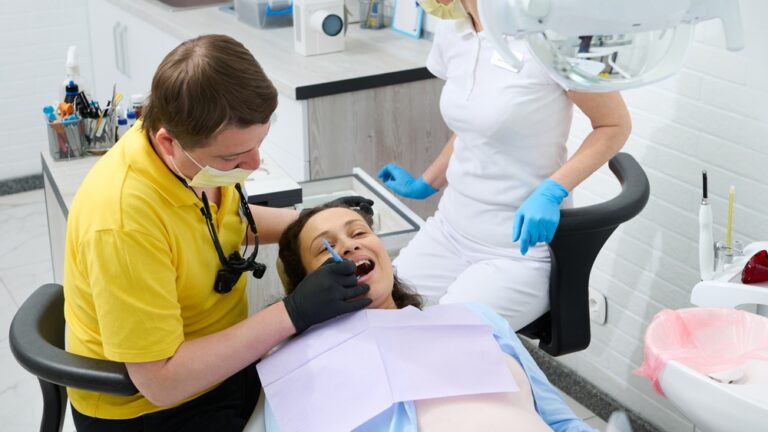
Stay calm! Your dentist can discuss treatment options for tooth looseness during pregnancy, and it may be a temporary condition. First, call your dentist and schedule a checkup. You can also preempt this issue by scheduling an appointment early in your pregnancy. Always consult your OB/GYN if you notice any unusual symptoms.
If your tooth feels loose when you’re pregnant, follow these steps:
- Contact your obstetrician or gynecologist for a checkup to rule out conditions like gestational diabetes, which can exacerbate gum disease.
- Schedule a professional dental cleaning with an oral hygienist to remove any food particles and plaque buildup.
- Discuss your diagnosis and treatment plan with your dentist.
- Drink plenty of water and review your diet for any unhealthy foods that may exacerbate erosion.
- Thoroughly clean all of your teeth daily. Take your time. It’s important for you and your baby.
If your tooth falls out, follow these steps
- Pick the tooth up by its crown (not root) and place it in saline or milk.
- Rinse your mouth with water.
- Call your dentist for an emergency appointment and possible reinsertion.
- Talk to your dentist for a diagnosis and treatment.
A professional consultation with your doctor and dentist is necessary to treat the cause of your lost or loose tooth during pregnancy. Oral infections can impact your holistic wellbeing and pregnancy health, so preventative measures help you avoid toothache during pregnancy.
8 Ways to Protect Your Teeth During Pregnancy
When you prioritize your dental care during pregnancy, you’re protecting both your health and your baby’s development. Implementing healthy lifestyle habits, whether during pregnancy or after, can have a lasting impact on your overall wellness. Here are practical tips to care for your teeth before, during, and after pregnancy:
- Spend 8-10 minutes daily cleaning: Thoroughly cleaning your teeth using fluoride-free toothpaste and a soft-bristle brush.
- Clean between your teeth daily: Use interproximal brushes, directed water irrigation, or floss.
- Test your cleaning technique: Disclosing tablets are an effective way to see where plaque is hiding.
- Rinse after morning sickness: Use a baking soda solution (1 teaspoon in 8 oz water) and stay hydrated.
- Protect your enamel: Rinse with alcohol-free mouthwash or natural alternatives.
- Schedule regular checkups: Visit both your dentist and OB/GYN frequently throughout your pregnancy.
- Eat calcium- and vitamin D-rich foods: Help strengthen your teeth and bones, and protect against calcium deficiency, which can weaken teeth during pregnancy.
- Avoid sugary and acidic foods and drinks: They feed harmful bacteria in your mouth.
Seek professional help if you are concerned about any of your oral symptoms, or as a preventative measure to ensure healthy teeth and gums throughout your pregnancy.
When to Seek Professional Dental Help During Pregnancy
Dental treatments during pregnancy are safe, effective, and recommended by the American College of Obstetricians and Gynecologists (ACOG) and the American Dental Association (ADA).
Here are warning signs that necessitate professional dental care:
- Gums that bleed when you brush or floss
- Teeth that are sensitive to hot or cold
- Bumps or growths on your gums
- Abscesses or pus in your mouth
- Teeth that feel loose or are missing
- Bad breath that persists despite brushing
- Dry mouth that doesn’t improve
- Gums that are swollen or inflamed
- Pain in your teeth, jaw, or gums
- Decay or dark spots are visible on your teeth
Always consult your dentist and gynecologist if you have concerns about your oral or overall health during pregnancy.
Take the Next Step Toward Whole-Body Health During Pregnancy
Pregnancy brings amazing changes — but your mouth feels them, too. Regular dental visits during pregnancy aren’t only safe, but also important for protecting your teeth, overall health, and your baby’s development.
Schedule an oral health checkup with your dentist or hygienist to catch minor problems before they become major ones. Discover how pain-free dental infections can affect your heart, brain, and pregnancy outcomes with Are Your Teeth Making You Sick? from The Dental Medical Convergence Inc’s resources.
You’re doing incredible work growing a tiny human. Protecting your oral health is one more way you’re taking care of both of you.
Have a story to share? Your experience could encourage another expectant mother. Share your journey with our community!