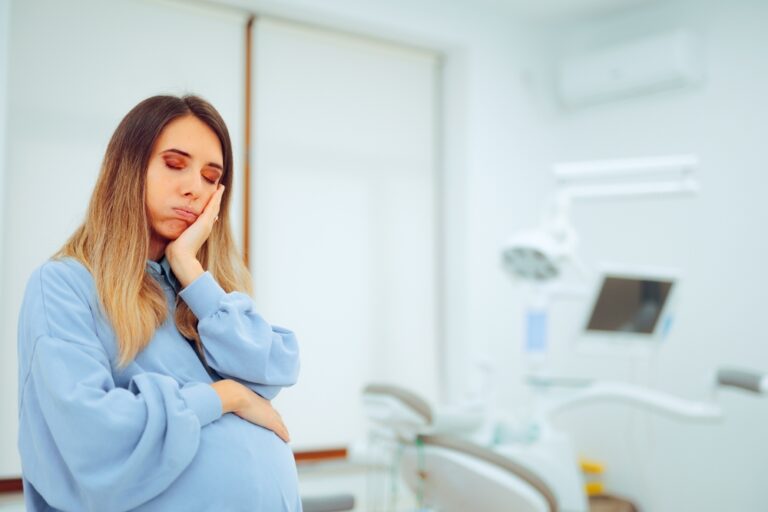

Tooth Pain While Pregnant? Here’s What Your Dentist Isn’t Telling You
Tooth pain while pregnant is common, and safe to treat. Learn what causes it, which treatments are safe by trimester, and when to call your dentist.

Why This Video Matters
Dr. Charles W. Reinertsen reveals the critical link between oral infections and pregnancy complications that every expecting mother needs to know.
Pregnant With Cavities? Why Waiting Until After Delivery Could Harm Your Baby
"If it doesn't hurt, my gums are fine."
FactLack of pain does not equal healthy; gum disease is often painless and linked with pregnancy complications. Ask your dentist to check your gums at every trimester visit and keep up daily home care.
"A quick brush is enough while I'm pregnant."
FactEffective home care takes 8 to 10 minutes once daily to remove harmful bacteria. Commit to a full routine of brushing, flossing/irrigating, and probiotics each day.
"Bleeding gums in pregnancy is normal. I don't have to worry about it."
FactBleeding when brushing or flossing is an early sign of gum disease. Schedule a dental exam and professional cleaning to protect you and your baby.
"If my teeth look clean, I'm safe."
FactCleaning only the visible surfaces won't stop disease under the gums. Request a periodontal evaluation to detect hidden infections early.
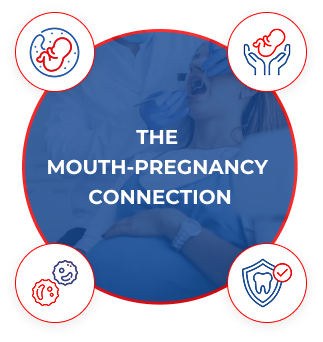
Up to 40% of pregnant women experience gum disease. Studies show that untreated gum infections are associated with higher risk of preterm birth and low birth weight (ACOG, 2013; CDC, 2020). Oral bacteria can cross the placental barrier, endangering both mother and child.
Treating gum disease during pregnancy is safe, effective, and recommended by the American College of Obstetricians and Gynecologists (ACOG) and the American Dental Association (ADA). Preventive dental care helps protect pregnancies.
Sources




Tooth pain while pregnant is common, and safe to treat. Learn what causes it, which treatments are safe by trimester, and when to call your dentist.
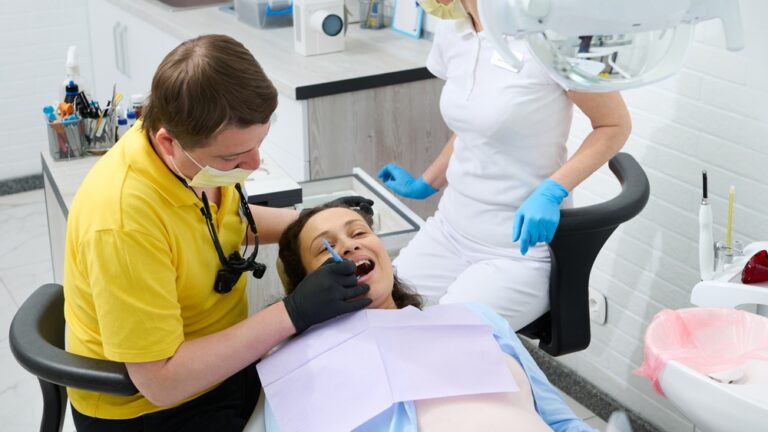
Getting cavities filled while pregnant is safe and recommended. Here is what the guidelines say about timing, anesthesia, and protecting your baby.

Hormonal changes, acid reflux, and gum inflammation can all make teeth sensitive in pregnancy. Here is what is behind the discomfort and how to ease it.

Pregnancy can loosen teeth through hormonal and gum changes. This guide covers the daily habits and dental visits that keep your teeth in place.

Pregnancy tumors are benign gum growths caused by hormonal changes and plaque. Learn why they occur, when to have one checked, and how they are treated.

New mothers face a higher cavity risk from disrupted routines, snacking, and dry mouth. Here is why postpartum cavities happen and how to prevent them.
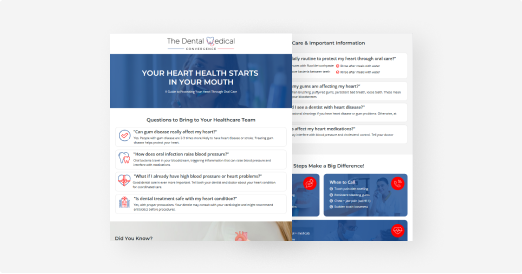


A guide to protecting you and your baby.
Download PDF
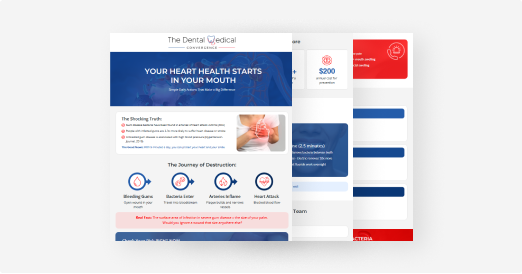
Simple daily actions that make a big difference.
Download PDF

Yes. Preventive and restorative dental treatment is safe during all stages of pregnancy (ACOG, ADA).
Modern digital X-rays use extremely low radiation and are considered safe during pregnancy. Lead shielding is no longer necessary, but your dentist will take every precaution for your comfort and only take X-rays when clinically needed.
The second trimester is often most comfortable, but care can be provided at any stage if needed.
We've put together a collection of articles that answer the most common questions patients bring us about dental care before, during, and after pregnancy:
Research shows links between untreated gum disease and increased risk of preterm birth and low birth weight.
Consult your dentist immediately. Temporary safe remedies exist, but treatment is important.
Yes. Gum disease is often painless, yet infections can spread through the bloodstream and affect pregnancy. Regular dental visits during pregnancy help catch silent problems early.
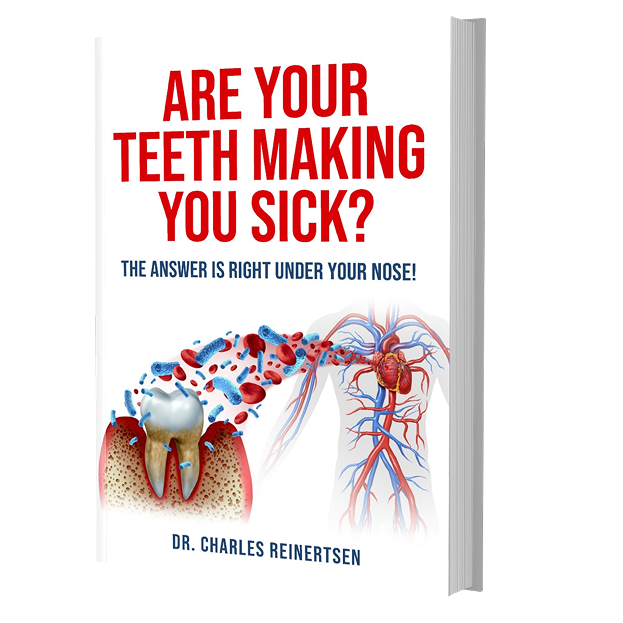
Dr. Charles Reinertsen's book explores the hidden links between oral health and systemic conditions like pregnancy complications. Get your copy today to dive deeper.

Your support helps us educate families on the critical link between oral health and pregnancy outcomes.
Every effort supports dental health education through The Dental Medical Convergence, a 501(c)(3) nonprofit.
Every 40 seconds, someone dies from heart disease linked to poor oral health. Your donation helps us warn families about the deadly connection between oral health and heart disease before it's too late.
Your gift educates families
Choose an amount: