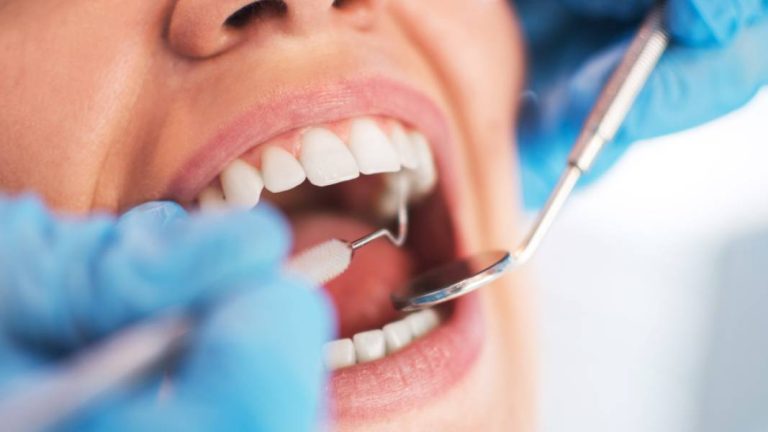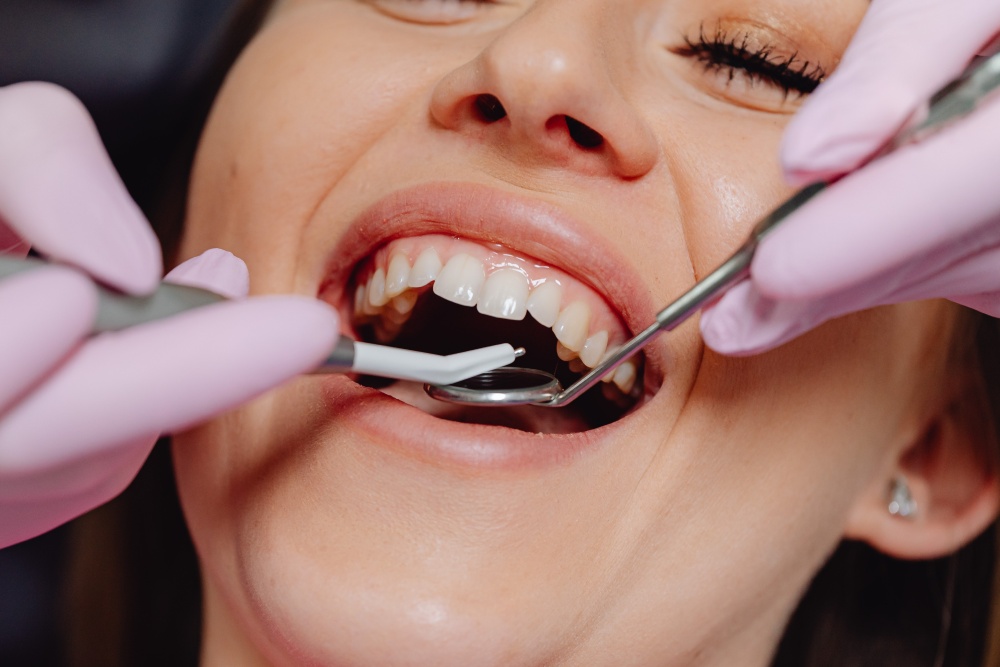

 Learn why bleeding gums can be a sign of a bigger problem.
Have you ever noticed bleeding gums or spit out a little blood after brushing your teeth? If your gums bleed when you clean your teeth on a regular basis, it is time to see the dentist. Bleeding gums could be a sign of a much bigger dental issue. Left alone, that early inflammation can progress, and rethinking gum disease and overall health explains what happens next.
Your dentist will evaluate you for signs of gingivitis, which is the earliest form of periodontal disease – also known as gum disease. One of the first signs of this disease is bleeding gums. The earlier you detect gum disease, the better. Untreated gum disease can lead to much bigger health problems such as cardiovascular disease, pregnancy complications, and Alzheimer’s disease. The good news is that proper oral hygiene can prevent these diseases.
Other signs of gum disease include:
- Swollen gums
- Bright red or purplish gums
- Bad breath
- Pus between teeth and gums
If you don’t have gum disease but your gums are bleeding, there could be another reason. Sometimes pregnant women experience bleeding gums due to changes in hormone levels. Your gums should stop bleeding after giving birth.
You should always mention bleeding gums to your dentist and physician. There could be a more serious reason for the bleeding gums such as a blood clotting deficiency or leukemia. Connect your dentist and physician so they can discuss your oral health. After all, oral health is connected to your overall health. That’s why we want to make sure all medical professionals are communicating when it comes to patient health. Getting both professions talking is the point of our mission to bridge the divide.
If your gums are bleeding, be sure you’re using a soft toothbrush. When you’re buying a new toothbrush, you’ll see on the label if it’s a soft one. Always press gently with the toothbrush while cleaning your teeth. You don’t need to apply pressure to get the job done.
Prevention is key
The best thing you can do for your oral health and overall health is to properly clean your teeth every day. Spending eight to 10 minutes just once a day will get the job done. This will prevent gum disease and more serious health complications linked to poor oral health. Follow The Dental Medical Convergence on social media and online to learn all the latest dental news and health tips.
Has something similar happened to you or someone you care about? Send us your experience so more patients learn how oral health shapes whole-body health.
Bleeding gums are a warning worth heeding today. Get in touch and find out what your next step should be.