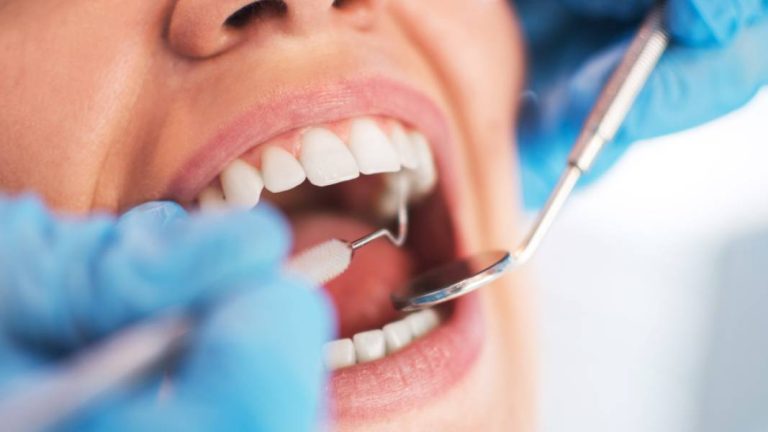

The health of your mouth is linked to the health of your body
Preventing heart disease can be as simple as cleaning your teeth every day. More and more research illustrates that periodontitis, also known as gum disease, is linked to many other health problems. That’s why The Dental Medical Convergence is raising awareness about the importance of oral health.
What is gum disease?
Gum disease is a serious gum infection that can lead to tooth loss. It’s also a risk factor for heart and lung diseases and increases your risk for diabetes, pregnancy complications, and dementia. Gum disease has no pain.
How gum disease begins
If you’re not cleaning your teeth properly on a regular basis, bacteria build up inside your mouth, mostly along your gum line. This forms tartar. Brushing and flossing alone won’t remove tartar. Dentists have the right tools to help clean tartar, but if it isn’t taken care of in a timely manner, it can lead to an infection. This is the beginning stage of gum disease.
Risk factors associated with gum disease
Untreated gum disease leads to a greater risk for developing coronary artery disease. That’s because bacteria from the mouth releases toxins. These toxins can get into the bloodstream and cause inflammation in the arteries, which can lead to a blockage. Blockages increase the chances of suffering a heart attack or stroke.
If you have diabetes, gum disease can make it worse by raising your blood sugar levels.
Pregnant women with gum disease are exposed to greater risk of delivering premature and underweight babies.
Preventing and treating gum disease is critical to maintaining the overall health of your body. Thorough dental exams give your dentist a chance to identify gum disease. Your dentist can also thoroughly clean the pockets around your teeth and help you come up with a treatment plan to prevent further progression of gum disease. If your dentist tells you that you have gum disease, it’s important to share that information with your primary care physician. Your doctor can help you identify any ways the disease may have spread to other parts of your body and develop a treatment plan if necessary.
Preventing gum disease by properly cleaning your teeth every day could protect you from serious health problems down the road, including the link between oral health and heart disease. Staying informed about the latest research is one more way to care for your teeth and your whole-body health.
Small Habit, Whole-Body Payoff
Gum disease is quiet, painless, and far more than a dental problem. The good news is how much power sits in your own hands: cleaning your teeth well every day, keeping your dental exams, and looping your dentist and physician in on what they each find can stop it before it reaches your heart, your blood sugar, or a pregnancy. A few minutes of daily care protects your gums and everything downstream of them. Has caring for your mouth ever turned around a health problem for you or someone you love? Share your story with us, because it could help someone else recognize the connection before their gums ever warn them.