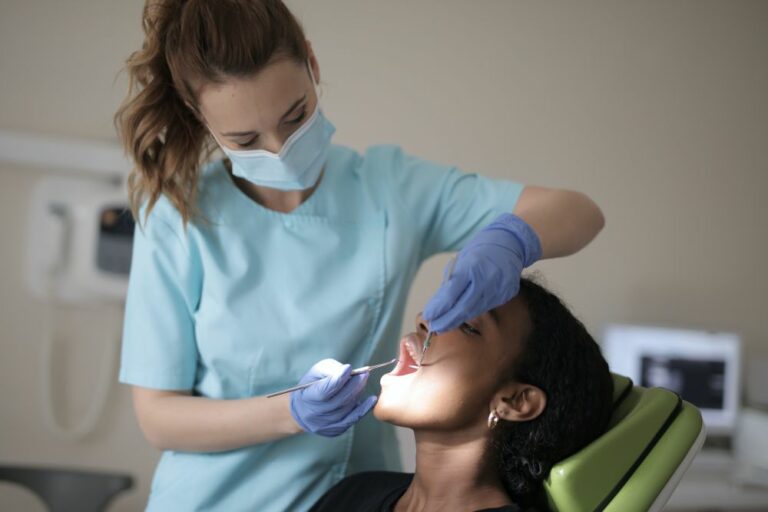

How to prevent health problems while saving money
It’s no secret that a trip to the dentist can be a costly outing. It makes sense that it would be: Dentists are thoroughly trained health care professionals who provide a specialized service, and unfortunately, many Americans don’t have sufficient insurance to fully cover these vital services. It is estimated that nearly 25% of all Americans don’t have coverage for proper dental care. Therefore, many of them aren’t getting the treatment they require. Skipping visits is a false economy, because regular dental visits protect overall health.
Good oral hygiene and regular dental checkups are crucial for preventing tooth decay and periodontal disease. Not only that, but the issues that start in your mouth can also have repercussions that reach throughout your entire body. If left untreated, they can lead to vascular disease, diabetes, respiratory problems, heart attacks, strokes, and difficulties during pregnancy. Taking good care of your mouth means that you’re taking good care of your entire body.
The average cost of dental care
Even the most basic visit to the dentist can end up costing a significant amount of money. You can expect to pay between $150 and $300 for checkups, cleaning, and routine treatments. More advanced procedures that require numbing and sedation, such as filling cavities, performing root canals and extractions, and doing dental implant procedures, can cost much more. Because of these high prices, many people choose to ignore their dental issues because treating them just isn’t in their budget.
Fortunately, there are a few things you can do to help decrease your dental care costs and keep you smiling.
How can I minimize my dental care costs?
- Regularly practice good oral hygiene.
Cleaning both the outer surfaces of your teeth and in between them on a regular basis is vital for keeping your teeth sparkling clean and healthy. It also goes a long way toward preventing severe conditions that woold otherwise require costly visits to the dentist. One of the best ways to minimize dental care costs is to avoid the need for emergency measures in the first place by being proactive about taking care of your teeth and gums at home. Slacking on oral hygiene maintenance is the starting point for bacteria to worm their way into your bloodstream and cause health issues such as heart attacks, strokes, and more. Put a stop to it before it starts.
- Eat a nutrient-rich diet.
Nutritious, whole foods are vital to ensuring that your teeth stay strong and healthy. Vitamins A, K, D, and C, along with the minerals calcium, potassium, and magnesium, all play essential roles in ensuring that your enamel remains solid and that your mouth can fight off any infections that it may encounter. Eating plenty of fruits, vegetables, dairy products, fortified foods, and lean meats and seafood will give you everything you need for a healthy mouth, reducing the number of visits you need to make to the dentist.
- Avoid foods that damage your teeth.
Damaged teeth cause many emergency dental visits. This damage is often the result of eating hard foods that can chip or crack the teeth, or from foods that have gotten impacted into the gums. Stay away from crunching on hard candies and ice cubes as well as foods like popcorn, which can easily get stuck between the teeth or even poke directly into the gum tissue and cause inflammation and infection.
- Never skip a checkup or cleaning.
When you visit your dentist and hygienist regularly, they can help keep your mouth clean, healthy, and disease-free. Plus, they can identify any issues before they become more serious (and more expensive) dental problems.
To get the most from each visit, come ready with a few questions to ask your dentist about how your oral health connects to the rest of you.
- Seek treatment for problems immediately.
If you suspect that you may be suffering from a dental issue, it’s best to seek treatment earlier rather than later. Waiting until it develops into a more serious problem usually means you’ll have to undergo more extensive — and therefore more costly — treatment.
- Purchase dental health insurance.
Dental health care insurance can prove an excellent investment to help cover the costs of any dental treatments, procedures, and surgeries that you may have to undergo. This can be an especially smart option for anyone who has a personal or family history of periodontal disease and can save you a significant amount of money in the long run.
- Talk to your dentist and create a dental budget.
No one understands your personal dental care needs better than your dentist. They can help you identify your treatment options and which preventative measures you should take to achieve the best possible oral health. Talk to your dentist about your yearly dental care budget and create a plan that you and your family can afford to meet your health requirements.
Your oral care is critical — not only for the health of your mouth, but for the wellbeing of your entire body. Unfortunately, dental care can be very expensive for those without good health insurance. With some preventative measures and a commitment to being open with your dentist regarding your budget, you can save a significant amount of money and still ensure that your mouth is getting the care it deserves.
At The Dental Medical Convergence, our primary aim is to create a partnership between dentists and family physicians all across America. We believe in the importance of oral health to achieve optimal overall health for our entire bodies, and our goal is to educate physicians on how to better enhance the oral care of their patients.
By supporting this cause, you add your voice to others across the country, building a stronger, more educated relationship between doctors and dentists. This deepens our shared understanding of the body as a whole and helps people everywhere reach better health and more informed oral care, from everyday hygiene to the oral health and heart disease connection. To learn more or lend your support, contact us today.
Spend Less by Preventing More
The cheapest dental problem is the one you never develop. Every tip here points the same way: brush and clean between your teeth daily, eat for strong enamel, skip the foods that crack teeth, keep your checkups, and treat small issues before they grow into root canals. Prevention protects your budget and your body at once, since the trouble that starts in your mouth can travel far beyond it. Want help building a low-cost care plan that fits your life? Book time with our team, and we will help you keep more of your money while keeping your mouth healthy.