
Medical Disclaimer: This content is for informational and educational purposes only and does not constitute medical or dental advice, diagnosis, or treatment. Home remedies are not substitutes for professional dental care. Toothaches during pregnancy may indicate serious conditions requiring immediate professional attention. Always consult your dentist and OB/GYN before using any home remedies, especially during pregnancy. If you experience severe pain, swelling, fever, or signs of infection, seek immediate professional care.
Did you know that having good dental health lowers the chance of complications like babies being born underweight? Research shows that good oral health during pregnancy reduces preterm birth risk by 50% when combined with balanced nutrition and vitamin supplementation.
Changes in hormones, blood flow, and oral pH shape many new sensations in the mouth during pregnancy. To understand how to prevent losing teeth during pregnancy, we explore oral health changes when expecting and explain the signs to monitor. We review daily routines, nutrition support, and when to schedule a dental visit to guide you through your pregnancy with confidence.
Why Does Pregnancy Change Oral Health?
Pregnancy hormones make your gums more sensitive. They affect gum fullness and may lead to the sensation of swollen gums during pregnancy. Your gum color may deepen, and tender areas may appear along the gum line. Research shows that gingival bleeding is common in up to 72.2% of pregnant women, highlighting how sensitive soft tissues are during pregnancy.
Morning sickness may introduce more acid from the stomach, while your mouth produces less saliva. Both of these symptoms worsen tooth decay during pregnancy. Understanding these shifts helps you develop healthy habits, such as sipping water regularly.
How Common Is It to Lose Your Teeth During Pregnancy?
Loose teeth in pregnancy are uncommon. Instead, watch out for maternal periodontal disease. Tooth loss usually happens because of long-standing infections rather than pregnancy itself. Pregnancy makes infections more noticeable because gum tissue can become more sensitive and reactive.
Periodontal disease is inflammation in the gums, and pregnancy can aggravate this tissue if early signs are left unaddressed. Research suggests links between oral bacteria and pregnancy outcomes.
Microbes may affect the fibers that hold teeth in place, leading to loose teeth when pregnant. Bacteria can weaken the inner fibers, making teeth vulnerable over time. Pregnancy highlights signs of infections to help you catch problems early.
Understanding how to prevent losing teeth during pregnancy improves your health through simple care, which can make your pregnancy journey better for you and your baby. While these changes can feel concerning, they often don’t automatically lead to tooth loss, which is a common fear during pregnancy. Although tooth loss is uncommon, it’s still important to know which signs deserve attention.
What Early Dental Warning Signs Should You Watch For During Pregnancy?
Oral infections are painless in 90% of people, despite increased sensitivity during pregnancy. Checking for the subtle signals of disease and slight changes in how your mouth feels is your first step to preventing losing teeth during pregnancy.
Signs to watch for include:
- Checking for bleeding gums during brushing.
- Noticing redness, swelling, or tenderness in the gingival tissue.
- Observing any persistent bad breath or a bad taste in your mouth.
- Feeling any gum recession or teeth that look longer due to gum tissue loss.
- Discovering any loose teeth in pregnancy or changes in your bite.
Monitoring your oral health markers can help with early detection and prevent periodontal disease during pregnancy. If you’re concerned, always consult your dentist for more information.
What Should You Do To Prevent Losing Teeth During Pregnancy?
Routines protect your gums throughout each trimester as your body changes. Good oral health habits are how to prevent losing teeth during pregnancy and supporting your overall well-being. Daily care forms the foundation of prevention, especially as your body continues to change while your baby grows.
Daily Pregnancy Oral Health Care
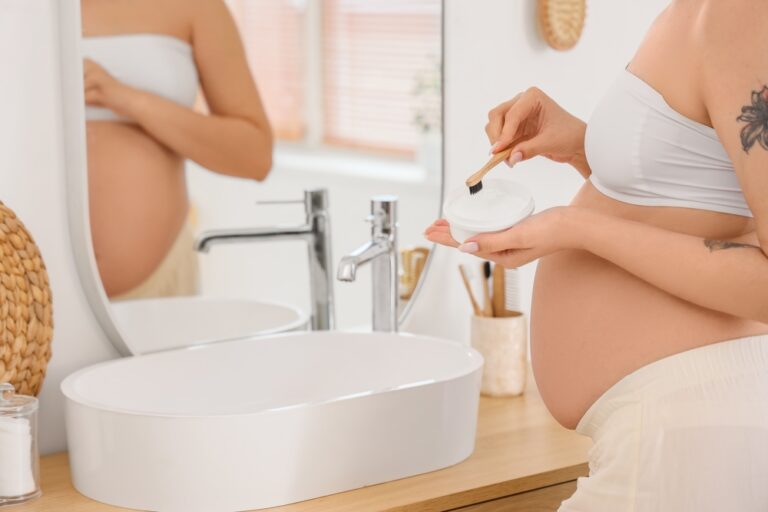
How you clean your teeth plays an important role in preventing the loss of teeth during pregnancy. Give your mouth more support with longer cleaning sessions. Spend time brushing each arch with a soft-bristled toothbrush, and clean between your teeth with small brushes or directed water irrigation.
To reduce harmful bacteria and protect against tooth decay during pregnancy, brush for 8-10 minutes per day. Aim for at least 4 minutes of toothbrushing and 4 minutes of interdental cleaning.
Managing Morning Sickness
Morning sickness increases acid contact on your teeth, which can cause toothaches during pregnancy or enamel erosion. This acid softens enamel and creates tender spots where harmful bacteria can enter. A light rinse with baking soda or pregnancy-safe mouthwash can neutralize this acidity, but always consult your dentist before using any product or home remedy. Caring for your tooth enamel maintains dental stability in pregnancy by helping restore a healthy pH balance in your mouth. Instead of wondering if you can lose teeth while pregnant, you’ll feel more confident about your oral care.
Nutrition and Supplements
If you’re wondering how to prevent losing teeth during pregnancy, consider supplements and strong nutrition that help protect gums. Eating calcium-rich foods is excellent for you and your baby. Simple interventions like chewing xylitol gum can reduce harmful bacteria.
Many expectant mothers experience intense cravings for sweet treats, which increase acidity in their oral environment. Sugary snacks fuel the microbes that create acidic byproducts and affect tooth decay during pregnancy. To mitigate increased acidity, enjoy sweets with a main meal rather than snacking throughout the day.
Research suggests many pregnant women need higher vitamin D intake for healthy immune responses. Vitamin D supports your immune system, which helps protect against oral bacteria. Ask your medical team about nutrition and supplementation as an added layer of protection from periodontal disease in pregnancy.
Dental Visits and Professional Care
Dental visits, including cleanings and necessary extractions, are safe for expectant mothers and will help put your mind at ease. Many women choose the second trimester for comfort during a dental visit, as symptoms of nausea and fatigue have often subsided by then.
Early evaluation helps control issues linked with periodontal disease during pregnancy before bigger changes appear.
Additional Preventive Measures
Many mothers notice symptoms and delay care due to confusion or busy schedules. Sharing questions with your dental team early is the best way to make sure any interventions you need are simple. You can look at our Pregnancy Oral Health Guide for more detailed daily guidance on how to prevent losing teeth during pregnancy.
When Should You Seek Dental Care?
Some signs are more urgent than others and call for dental care. Any sudden swelling or worsening gum bleeding needs attention, as it could be a sign of a larger immune reaction.
Fever or abscess near a tooth signals an active infection and requires immediate care. A tooth that moves under gentle pressure requires attention as well. Take a look at our Pregnancy Oral Health Fact Sheet for our in-depth list of when to seek help.
After giving birth, many new moms face higher risks for tooth decay and gum problems because the changes take time to rebalance. Elevated postpartum hormones can increase bacteria in the mouth, which can lead to cavities. Proper intervention before childbirth can improve maternal oral health, increase dental care use postpartum, and reduce cavity-causing bacteria.
FAQ: Tooth Loss and Pregnancy
A tiny sting or a new taste can send your thoughts racing as an expectant mom. You deserve answers that address your concerns and guide your next step. Always consult your healthcare provider if you have any concerns about pregnancy-related issues. These questions help you move forward with a clear understanding of how to stay well:
1. Can pregnancy cause loose teeth to fall out on their own?
No. Pregnancy can make your gums more sensitive. Tooth loss develops when decay or a gum infection that already exists grows worse over time. Pregnancy reveals these concerns through stronger gum responses. If you’re wondering how to prevent losing teeth during pregnancy, speak to your dentist.
2. Which gum changes during pregnancy signal disease?
Bleeding, sores, or abscesses during daily cleaning are signs of active inflammation that can lead to pregnancy periodontal disease. Puffiness or shiny gum surfaces are also signs of increased sensitivity. Proper prenatal oral care helps you handle any early signs of infection with at-home interventions like appropriate brushing.
3. Are dental cleanings safe in every trimester?
Cleanings support oral comfort during every stage of pregnancy. Many women prefer second-trimester visits due to other pregnancy symptoms like nausea improving.
4. What daily habits protect teeth during pregnancy?
Longer cleaning sessions of around 8 minutes result in lower bacteria near the gum line. Gentle brushing and interdental cleaning remove bacteria and support healthy gums. A mild rinse after morning sickness reinforces enamel strength.
5. Can gum disease during pregnancy influence birth outcomes?
Yes. Pregnancy periodontal disease and inflamed gum tissue carry bacteria that may influence maternal health. Research connects gum disease with lighter birthweight and early delivery. Supportive dental care ensures a healthier journey for you and your baby.
6. Is it safe to have dental work done while pregnant?
Absolutely. Routine care and necessary interventions are safe and highly encouraged to protect your pregnancy oral health. Care is safe at any stage, but the second trimester is often the most comfortable time for a visit. Your dental team will prioritize your comfort to ensure a stress-free experience.
Awareness of early signals helps you keep yourself and your baby strong. Each moment of attention, or wondering if you can lose teeth while pregnant, guides clearer steps during pregnancy and beyond to keep everyone smiling. Sharing these insights can uplift your community.
Better Pregnancy Oral Health for Every Growing Family
You guide your family’s oral health with each choice you make. Small habits, early visits, and self-care support your comfort and your baby’s well-being. If you’re wondering how to prevent losing teeth during pregnancy, take these oral wellness steps to protect your future health.
At The Dental Medical Convergence, we teach the deep connection between a healthy mouth and a healthy body. Sharing that truth helps families understand signals that deserve care during pregnancy. You can join our movement by donating to support our mission for wider education, or share your story with us by emailing it to Stories@TheDentalMedicalConvergence.org
The Dental Medical Convergence is a nonprofit organization dedicated to educating the public about oral-systemic health connections. If you found this information valuable, consider supporting our educational mission.