
Medical Disclaimer: This content is for informational and educational purposes only and does not constitute medical or dental advice, diagnosis, or treatment. Home remedies are not substitutes for professional dental care. Tooth pain during pregnancy may indicate serious conditions requiring immediate professional attention. Always consult your dentist and OB/GYN before using any home remedies, especially during pregnancy. If you experience severe pain, swelling, fever, or signs of infection, seek immediate professional care.
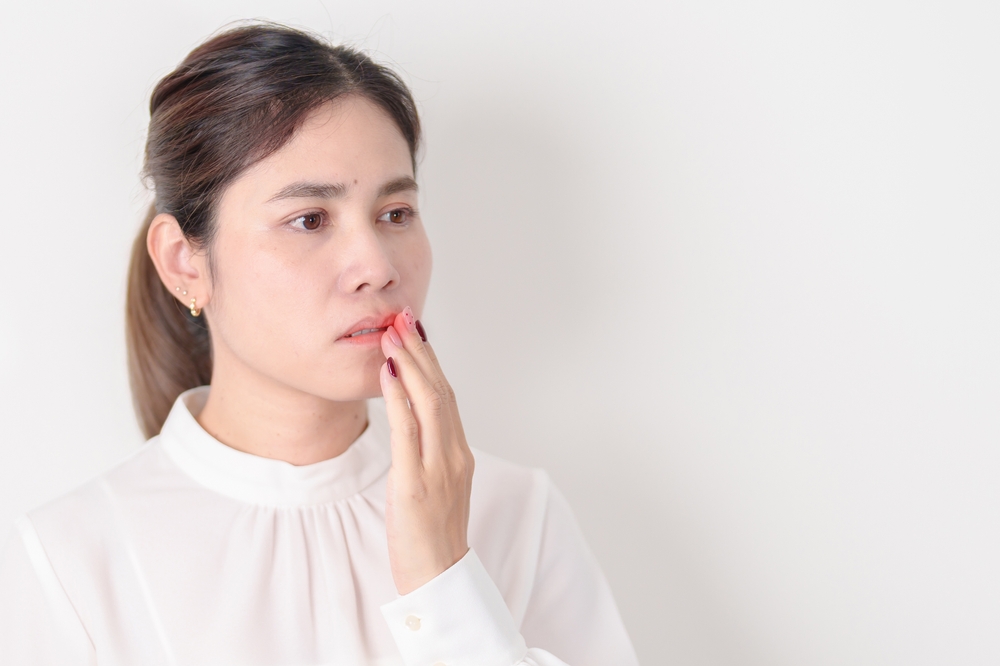
Tiny mouth sores are easy to miss or discredit as a pregnancy symptom, but they could reveal that there’s something else happening in your body. Canker sores are a common pregnancy symptom, and usually the result of hormonal shifts. While there’s a good chance you might experience these sores during pregnancy, they’re not a frequent topic of conversation.
In the study, “Oral Manifestations in Pregnant Women: A Systematic Review”, researchers found that 14.7% of respondents had aphthous ulcers and / or candidiasis. Understanding what’s happening and how to care for yourself is vital when you are expecting. Let’s explore why canker sores sometimes appear during pregnancy, and what you can do to help prevent them.
What Are Canker Sores?
A canker sore is a small, shallow, round or oval ulcer with a white or yellow center and a red halo on the soft tissue of the mouth. It appears on the inner lips, cheeks, underside and edges of the tongue, floor of the mouth, and on the soft palate. Other names include aphthous ulcer or recurrent aphthous stomatitis. There are three types of canker sores:
- Minor: <10 mm. Heals in 7 to 14 days without scarring, and are the most common.
- Major: >10 mm or deeper. Can take 2 to 6 weeks and may scar.
- Herpetiform: Clusters of many tiny pinpoint ulcers that can merge.
According to Dr. Herve Sroussi, associate professor of oral medicine at Harvard School of Dental Medicine, the majority of canker sores are just sores and should resolve within a few days.
Why Do Canker Sores Happen?
The exact cause of mouth ulcers is not fully understood as yet. There are several factors that make canker sores during pregnancy , and in general, more likely to develop. These factors include the following.
- Local irritation: If you accidentally bite your cheek or lip, eat rough-textured foods, have orthodontic wires, or brush your teeth too hard.
- Dietary triggers: Some foods can trigger canker sores, including acidic or spicy foods such as citrus, tomatoes, pineapple, nuts, chocolate, and coffee.
- Stress and sleep debt. During pregnancy, changes in your immune system, combined with stress and lack of rest, can make your body more prone to inflammation. That includes inflammation in the mouth, which may make canker sores more likely.
- Hormonal shifts: Pregnancy can change mucosal immunity, which leads to inflammation.
- Nutritional gaps: Nutritional deficiencies are a leading cause of canker sores.
- Oral-care ingredients: Some people react to sodium lauryl sulfate (SLS) in toothpaste.
- Microbiome/immune factors: Microbiome changes such as temporary dysbiosis or overactive local immune responses may trigger canker sores.
- Underlying conditions. Celiac disease, inflammatory bowel disease, Behçet’s disease, HIV may cause canker sores, usually when ulcers are severe, frequent, or slow to heal.
When Are Canker Sores Most Common During Pregnancy?
Canker sores can appear at any point during pregnancy, but they tend to be most common in the first and third trimesters. The first trimester brings a sharp surge in estrogen and progesterone, which can make oral tissues more sensitive. The third trimester introduces added physical stress, fatigue, and nutritional demands that may trigger sores again. Every pregnancy is different, so some women notice sores only once while others see them come and go throughout all nine months.
What Is the Difference Between a Canker Sore and a Cold Sore?
It’s easy to mistake canker and cold sores for one another, but they’re quite different. This is what you should know to tell them apart.
- Canker sore: A small ulcer in the mouth that’s not caused by a virus and which is not contagious. They can be painful, especially when eating, drinking, or talking.
- Cold sore: A painful, fluid-filled blister on the lip or skin outside the mouth, caused by the herpes simplex virus 1 (HSV-1), which is contagious.
What Is the Effect of Canker Sores on Pregnant Women?
Canker sores are sometimes small and only mildly painful, but they could hinder you from eating and drinking, which could affect your hydration levels and nutrition. Other effects of canker sores may include.
- Pain when you touch the sore or move your mouth to eat, drink, or talk
- Swelling and redness around the ulcer, which could look unsightly and cause irritation
- Difficulty brushing your teeth, which could lead to dental issues
- Temporary mouth fatigue from inflammation when you have multiple sores
Exciting Scientific Discussions About Canker Sores During Pregnancy
Researchers studying canker sores during pregnancy are uncovering fascinating connections between your body’s natural changes and how best to care for yourself safely. As hormones and your immune system shift to support your baby, these changes can sometimes make you more prone to mouth irritation.
Scientists are exploring gentle, pregnancy-safe ways to ease that discomfort while protecting both you and your baby. Here is a closer look at two research areas.
Exploring the Different Effects of Pregnancy Hormones on Sore Frequency
The traditional view is that pregnant women are increasingly susceptible to canker sores due to higher hormone levels. Studies show that estrogen and progesterone increase the likelihood of the mouth’s tissue having sores.
Although it’s easy to assume that pregnancy hormones might make canker sores more likely, the truth is more nuanced. Research on this topic is limited and sometimes conflicting. Some women may notice fewer mouth sores, while others find they appear more often or feel more painful. Every pregnancy is unique, and medical professionals are still learning how hormonal and immune changes affect the mouth’s delicate lining.
Investigating the Dual Role of Nutrition in Sore Development and Recovery
There’s an increased risk that you might develop canker sores when you have low levels of essential nutrients. A drop in nutrition opens up another area of investigation for researchers.
- Finding the root cause: Researchers want to know whether deficiencies in vitamins and minerals act as the causes or contributing factors of mouth sores in pregnant women. Nutrition remains a top priority for you and your baby, and it’s important to maintain a nutrient-rich diet.
- Measuring the impact of pain on the diet: The effects of canker sores can compound as they impact your desire to eat and drink. The difficulty in consuming food can interfere with maintaining good nutritional levels.
- Prioritizing mother and baby safety in selecting care options.Managing canker sores during pregnancy requires a gentle, informed approach. Most care focuses on natural comfort measures, like saltwater rinses and avoiding trigger foods, while your body heals. Always check with your physician or dentist before using any medication or oral product, even over-the-counter ones.
- Balancing effectiveness and risk: Physicians carefully evaluate the safety of care methods before making recommendations. Because few medications are proven safe during pregnancy, they must choose options with great care.
- Use caution with medications: Some drugs, such as thalidomide, have been explored for treating severe RAS, but pose serious risks in pregnancy. Always consult your dentist and OB/GYN before trying any home or alternative remedies.
Now that we’ve explored what science says about why canker sores appear during pregnancy, let’s look at what you can safely do to find relief and prevent them from coming back.
How to Relieve and Prevent Canker Sores During Pregnancy
Caring for and preventing canker sores can start with a few home remedies, but it’s best to seek urgent medical attention if the sores persist, or increase in size or number. Consult your obstetrician first if you need medication, even for over-the-counter products.
Few canker-related medications, including topical applications, are cleared for use during pregnancy. But even small steps can make a big difference. The following gentle approaches can help soothe discomfort and support healing while keeping you and your baby safe.
- Gentle oral care: Your first port of call is always oral hygiene. Keep the area clean and use a soft brush to clean out any loose skin or particles. Avoid scrubbing the sore, as it could remove the scab, which acts as a protective barrier.
- Rinses: Plain saltwater rinses may help soothe the burning sensation, and may support healing during pregnancy.
- Food swaps: Food can act as an irritant to the area, especially spicy or acidic foods, or food with sharp edges, such as hard toast, which can hurt the roof of your mouth while eating. Speak to your dentist or physician about a nutritional plan.
- Choose foods that support healing. Soft, nutrient-rich options like yogurt, scrambled eggs, oatmeal, bananas, and cooked vegetables can soothe irritated tissue. Foods high in iron, folate, B12, and zinc help your body recover faster.
- Irritant audit: If you’re prone to canker sores during pregnancy, something in your everyday lifestyle might trigger them. Try a non-SLS toothpaste or note personal food triggers and see if the occurrence of the sores decreases. If not, it’s important to bring it to your obstetrician’s attention.
- Nutrient check-in: Canker sores may indicate that your body needs certain nutrients, such as iron, folate, B12, and zinc, through diet or clinician-guided supplements.
- Stress and sleep: Ways to improve your stress levels during pregnancy include personal care, getting plenty of rest, and asking for help when you’re running low on energy. Protect your sleep and try to get a good night’s rest.
- Barrier care: Sugar-free protective gels and pastes can reduce friction, but before you purchase any, ask a dentist or OB-GYN first to ensure it’s safe to use during pregnancy.
Other Oral Issues in Pregnancy
Canker sores are only one piece of oral health and pregnancy; you can expect other oral changes too. Hormonal fluctuations during pregnancy alter the balance of bacteria in your mouth and reduce protective saliva production. This combination creates conditions where minor injuries from sharp foods or aggressive brushing can develop into painful sores. Some of the more common oral conditions include:
Pregnancy Gingivitis
Hormonal changes, such as the increases in estrogen and progesterone, can lead to gingival inflammation. The swelling and bleeding indicate pregnancy gingivitis. In many cases, the gums are tender to the touch and feel inflamed. If there’s an overgrowth, known as a pyogenic granuloma, it’s referred to as a pregnancy tumor.
Periodontitis
Periodontitis is the progression of untreated gingivitis, which leads to gum infection and bone loss around the tooth. Research shows a link between periodontal disease and challenging pregnancy outcomes, such as preterm birth and preeclampsia. Hormonal changes influence the likelihood of women developing periodontal disease, and the research recommends that pregnant women seek care from their obstetricians and dentists to lower the risks during pregnancy.
Dental Caries
Dental caries leads to oral bacterial buildup, which can lead to pregnancy complications such as preterm birth and low birth weights. Research shows that pregnant women are twice as likely to have cavities as those who aren’t pregnant, and as many as 87.2% of pregnant women experience untreated dental decay.
Another study finds a conclusive link between increased levels of hormones, such as progesterone, estradiol, testosterone, and cortisol, and cavities. The increase of these hormones also results in higher levels of Streptococcus mutans, a bacteria associated with cavities.
What Are the Frequently Asked Questions About Canker Sores During Pregnancy?
Frequently asked questions about canker sores range from preventative measures to safety concerns.
Is it Normal to Get Mouth Ulcers During Pregnancy?
It can be, and is quite common. Hormonal changes, immune shifts, and added stress can make canker sores more frequent in pregnancy. They’re uncomfortable, but usually harmless.
What Causes Canker Sores While I’m Pregnant?
Common triggers that can cause mouth ulcers during pregnancy include hormonal fluctuations, vitamin deficiencies, stress, acid reflux, and small mouth injuries from eating or brushing.
Can I spread Canker Sores to My Partner or Baby?
No. Canker sores are not infectious, and you can’t spread it by kissing, sharing utensils, or breastfeeding. Cold sores caused by HSV-1 are contagious, but canker sores are not.
Can Canker Sores Affect My Baby?
No. You’ll only find canker sores in and around the mouth, and they don’t affect your baby’s health. However, talk to your provider to avoid dehydration or nutrient loss if pain makes it hard to eat or drink.
How Do I Heal Canker Sores During Pregnancy Naturally?
The best route is to discuss natural care options with your dentist or OB-GYN. They may recommend saltwater rinses or pregnancy-safe soothing gels. Always avoid benzocaine and alcohol-based products unless prescribed.
How Long Do Canker Sores Last?
How long mouth ulcers take to heal in pregnancy depends on several factors. Minor canker sores may heal within a few days. See your dentist or OB-GYN if yours persists beyond two weeks. In many cases, pregnancy-related canker sores resolve on their own after delivery as hormone levels return to baseline.
Can Morning Sickness or Acid Reflux Cause Canker Sores?
Yes. Repeated acid exposure from vomiting or reflux can irritate oral tissues and contribute to sores or roof-of-mouth pain in pregnancy.
When Should I Worry About a Canker Sore While Pregnant?
If sores last longer than two weeks, keep coming back, or are large and painful, see your healthcare provider. You should always check persistent lesions.
How Can I Prevent Canker Sores When I Get Pregnant?
You can discuss the following steps and prevention methods with your dentist or OB-GYN.
- Eating a balanced diet with enough iron, folate, B12, and zinc.
- Practicing gentle oral hygiene (soft brush, non-SLS toothpaste).
- Staying hydrated, managing stress, and getting adequate rest.
- Keeping up with prenatal dental check-ups.
Are Canker Sores an Early Sign of Pregnancy?
Canker sores are not a reliable indicator of pregnancy on their own, but some women do notice them as one of their earliest symptoms. The hormonal shifts that begin in the first weeks of conception can affect the soft tissue in your mouth before you even realize you are expecting. If you are experiencing canker sores alongside other early signs, such as fatigue, nausea, or a missed period, it may be worth taking a pregnancy test. Canker sores can also appear for many other reasons, so they should not be used as a standalone sign.
Why Silent Oral Infections Matter During Pregnancy
Here is what most people never hear from their care team. Ninety percent of dental infections produce no pain at all. That means you could have active infection in your mouth and never feel a thing. This is not unique to dental health.
High blood pressure, diabetes, glaucoma, and the early stages of cancer all progress silently before symptoms ever appear. The same is true for conditions like periodontitis, which research links to preterm birth and preeclampsia.
Most physicians never ask about your teeth, and most dentists never ask about your heart. That is not their fault. Medical and dental training have been separate for over a century. You can close that gap by sharing information between your OB-GYN and your dentist, especially when something as common as a canker sore prompts you to pay closer attention to what is happening in your mouth.
Build a Daily Routine That Protects Your Whole Body
Whether or not you are experiencing canker sores, a thorough daily oral care routine takes about eight to ten minutes per day, roughly two minutes per arch for each method. Here is what that looks like.
- Use a soft toothbrush along the gum line and across every surface. No hard bristles, which can irritate tissue that is already sensitive during pregnancy.
- Clean between teeth with interproximal brushes or dental floss. These reach spaces a standard toothbrush cannot.
- Follow up with directed water irrigation (a water flosser). This flushes deep gum pockets where bacteria collect.
- Use disclosing tablets once or twice a week. They stain leftover plaque so you can see exactly what you missed and improve your technique over time.
You clean your teeth 365 days a year. Your dentist sees you twice. The math shows where the real influence sits, and that is empowering. A consistent home care routine does more for your oral health than any single professional visit ever could.
Small Sores, Big Insight: Protecting Your Oral Health While Pregnant
Pregnancy is a beautiful time. Taking steps to understand how canker sores during pregnancy might affect you and the baby can be so helpful. Because issues in the mouth can sometimes be painless, discussing oral health is often overlooked by physicians and others. Please share this knowledge with your family and friends today!
By sharing pregnancy oral hygiene tips, you empower everyone in your circle to take proactive steps toward a healthier future. You can also find out more in Dr. Charles Reinertsen’s book, Are Your Teeth Making You Sick? If you or someone you know has improved or eliminated a medical issue following dental care and achieving a healthy mouth, please share your story. You could help someone else through their experiences!
At The Dental Medical Convergence, we believe education saves lives and stories create understanding. If you or someone you love has experienced medical improvements after addressing a dental issue, or faced unexplained medical problems that later traced back to oral health, your story matters. Email us at Stories@TheDentalMedicalConvergence.org.